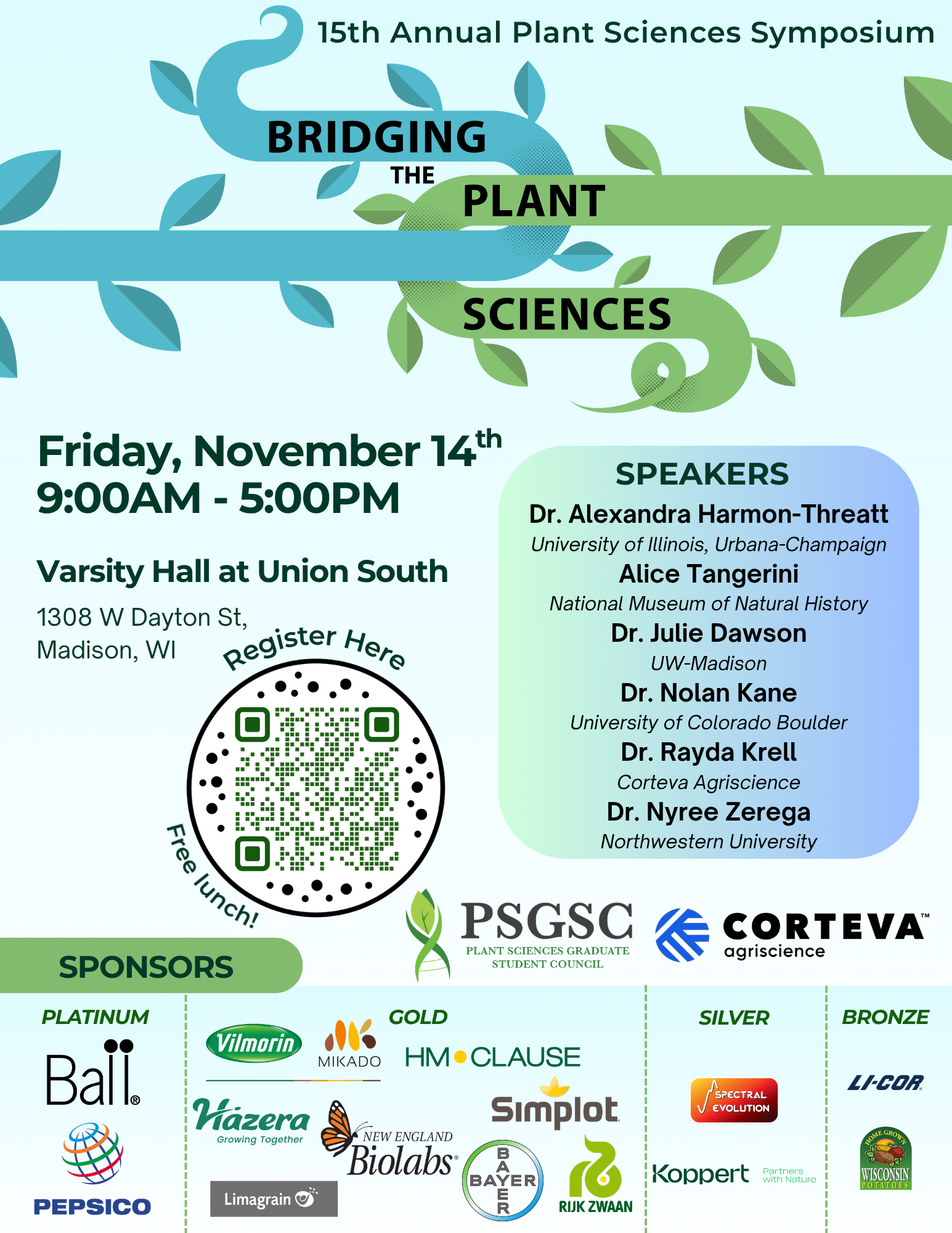
The UW – Madison Plant Sciences Graduate Student Council (PSGSC) is excited to host our 15th Annual Plant Sciences Symposium on Friday, November 14th from 9AM – 4:30PM at the Varsity Hall I & II of Union South Discovery Building on UW – Madison’s campus.
This year’s symposium is titled: Bridging the Plant Sciences: Our Collaborative Future in Research, and will explore the interconnectedness of plant science research.

This event is part of the Corteva Agriscience Symposia Series. We are thankful for their continued collaboration and support in fostering plant science connections across UW – Madison and beyond.
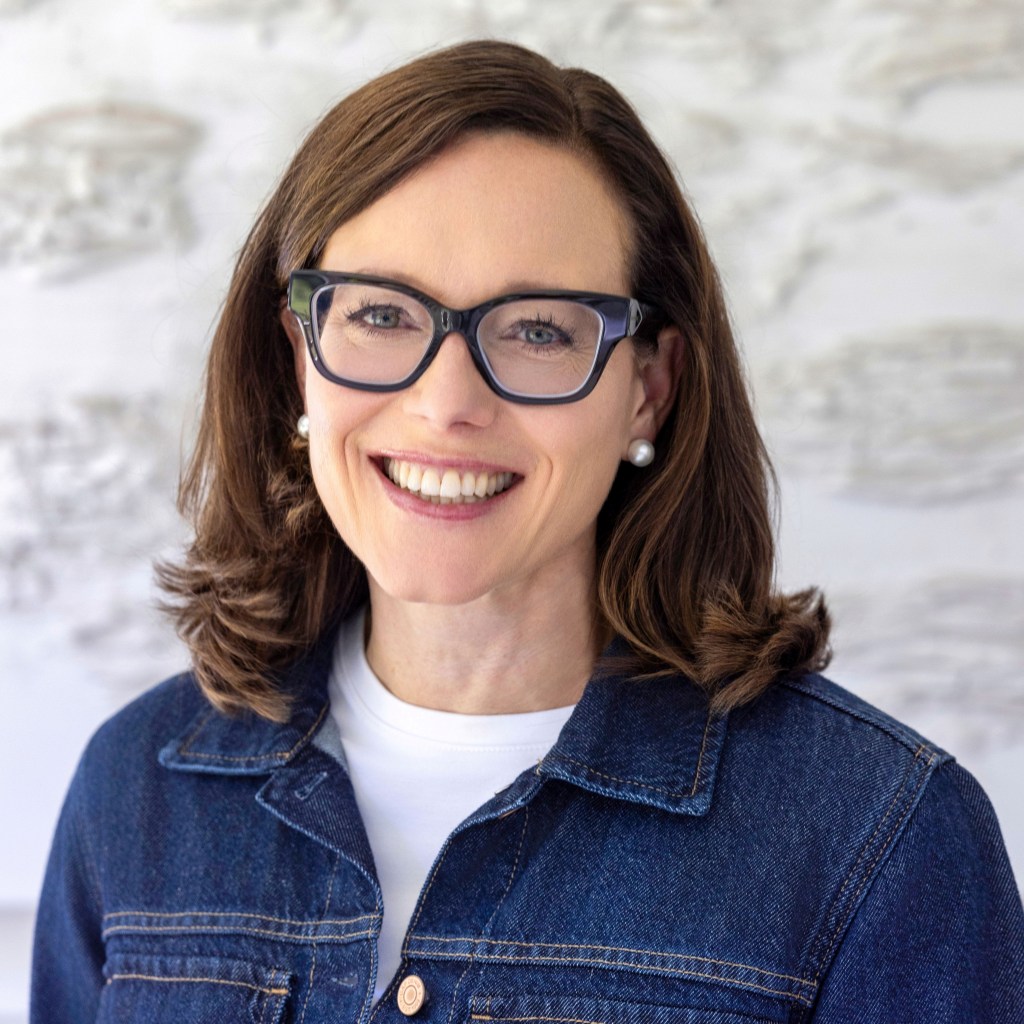
Dr. Rayda Krell
Corteva Agrisciences
“Scientists are people, too: Humanizing science for effective communication.”
Rayda grew up in Iowa, has lived in Vermont, California, and New York, and currently resides in Connecticut. She has a B.A. in Biology and Russian language from Middlebury College, VT, and M.S. and Ph.D. degrees in entomology from Iowa State University where she studied soybean insect management. She did a post-doc at the University of California-Riverside working primarily in grape pest management. Important themes in her career have always been community and communication. She has worked periodically as an agricultural technical education consultant since 2010 on crop protection projects in all sectors and joined Corteva Agriscience full-time as a Technical Knowledge Solutions Scientist in October 2022. One of her primary projects is co-producing the podcast, Agriscience Explained. Before joining Corteva, Rayda was a biology professor at Western Connecticut State University where she taught courses in basic biology, science communication, and biodiversity policy. She is co-author of the textbook, Entomology and Pest Management and is very active in the Entomological Society of America in various roles and in community organizations. She loves the challenge of trying to make complex topics fun, meaningful, and memorable!
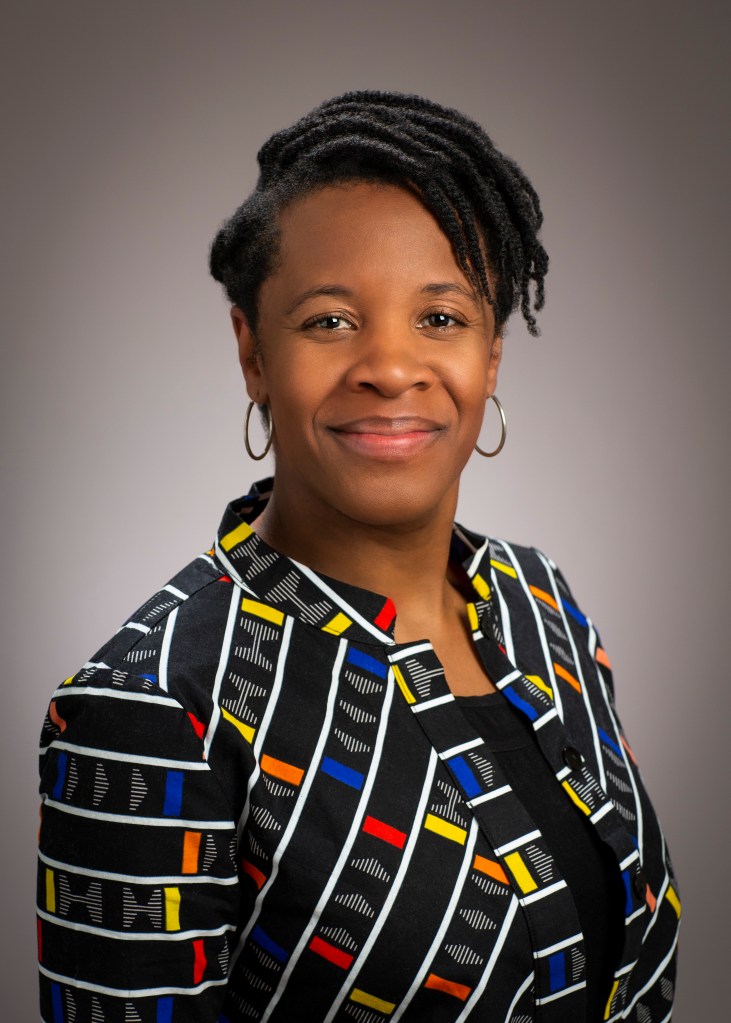
Dr. Alexandra
Harmon- Threatt
University of Illinois Urbana-Champaign
“Aboveground, Belowground: The relative
importance of plants and soils to bees”
Dr. Alexandra Harmon-Threatt completed her BS in Environmental Studies at Washington University in St. Louis and then continued on to the University of California Berkeley to do her PhD in Environmental Science Policy, and Management under Dr. Claire Kremen. Since arriving at the University of Illinois, Urbana-Champaign her work has focused on understanding the patterns and processes that govern plant-pollinator interactions and diversity in natural systems. She is particularly concerned with identifying how environmental disturbances, including habitat fragmentation, fire, grazing, and pesticides affect bee nesting and biodiversity. Alongside her students, she runs a vibrant research and outreach program that has been awarded over 3 million dollars to improve our understanding of limitations to pollinator conservation and restoration. She previously served as a Romano Professorial Scholar and an Ecological Society Early Career Fellow. Her favorite things are books, tea, traveling, being with her family, and volunteering to dismantle systems of oppression.
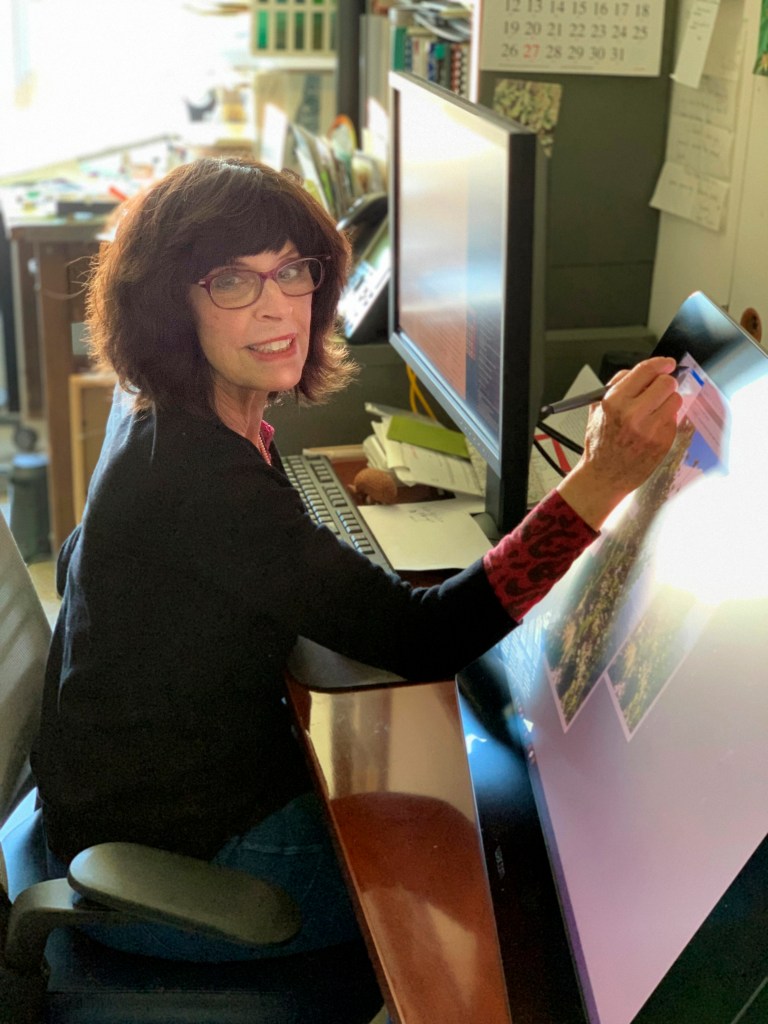
Alice Tangerini
Smithsonian National Museum
of Natural History
“Fifty Years of Botanical Illustration”
Beginning in 1972 Alice has illustrated over 1000 plant species in pen and ink, graphite, and more recently in digital media, for publications including botanical books and journals. She uses mainly herbarium specimens as the resource material. Her examination of a proposed new species of bromeliad resulted in the authors, Lyman B. Smith and Harold Robinson, naming the new species, Navia aliciae, in her honor. Alice has given classes at over a dozen botanical gardens and academic institutions.
Her work has appeared in numerous exhibits including those associated with the Guild of Natural Science Illustrators and the American Society of Botanical Artists. The ASBA awarded her for Excellence in Botanical Art in 2008 and she received a Highly Commended from the Margaret Flockton Award Committee for excellence in scientific botanical illustration in 2018, 2019 and in 2025.In 2020, Alice contributed to a Chapter for the ASBA book, Botanical Art Techniques, providing her techniques and media used in pen and ink botanical illustration. That same year Alice was honored with the Jill Smythies Award by the Linnean Society of London in recognition of excellence in published illustrations in the aid of plant identification. In 2023 and 2024 Alice has taught classes in botanical illustration in graphite and ink techniques at the Denver Botanic Garden and Oak Spring Garden Foundation. In May 2025, Alice gave a webinar, “Fifty Years of Botanical Illustration” to members of ASBA.
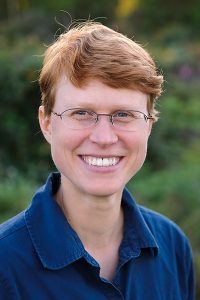
Dr. Julie Dawson
University of Wisconsin-Madison
“Engaging Regional Food System
Participants in Variety Development”
Dr. Julie Dawson is a Professor in the Department of Plant and Agroecosystem Sciences at UW Madison and the state Extension Specialist for regional food systems. Her research includes developing better methodologies for participatory plant breeding and using genetic resources in plant breeding. She leads the Seed to Kitchen Collaborative in Wisconsin, connecting farmers, gardeners, chefs and bakers in the Upper Midwest with plant breeders working on organic systems to evaluate new varieties for regional markets. Dawson is also involved in public service at the national level and co-authored a 2023 USDA report about intellectual property rights and fair competition in the seed industry.
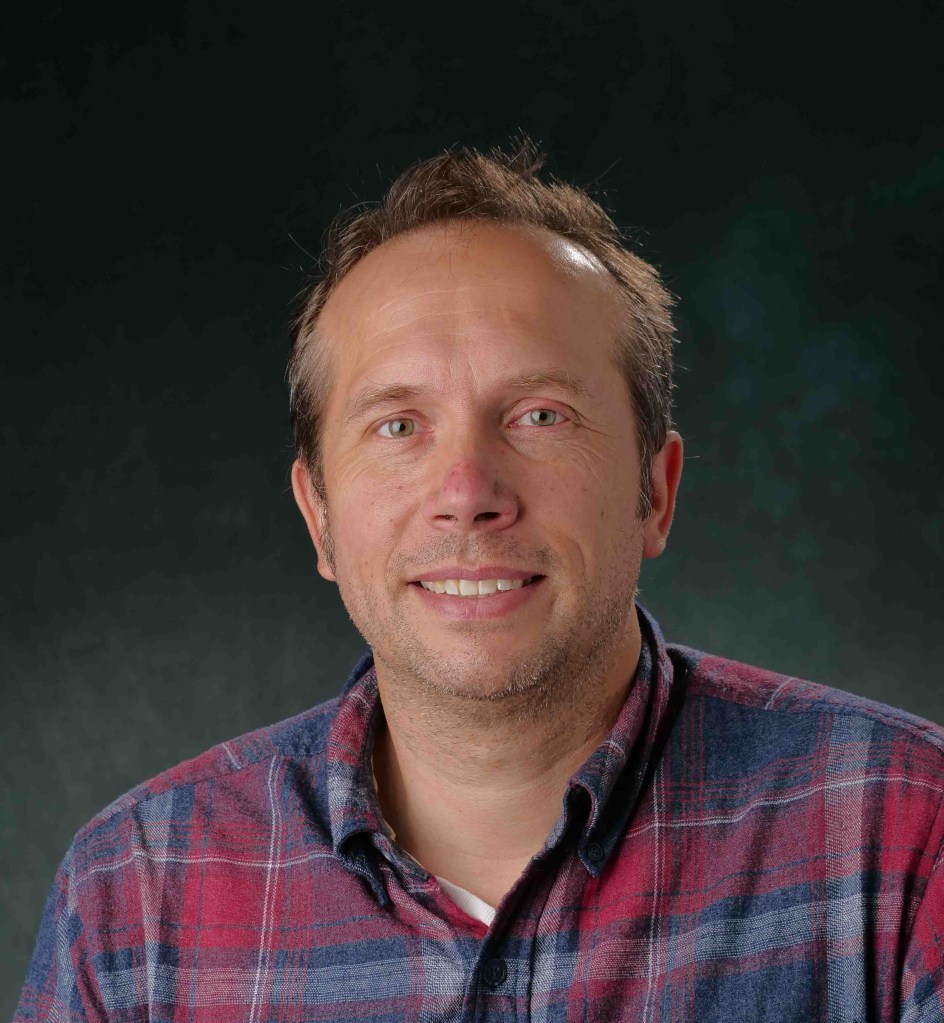
Dr. Nolan Kane
University of Colorado Boulder
“Biological Networks and the Genomics of
Adaptation, Domestication, and Speciation”
Nolan Kane uses bioinformatics and genomics to investigate genetic, evolutionary, ecological, and applied questions in sunflowers, flax, hemp and other species. Ongoing projects include the evolution and genomics of climate adaptation, secondary compound production, microbiome composition, sex determination, and interactions with diverse insects. These projects are part of efforts to domesticate new, sustainable crops from wild perennial species, and to improve sustainability of existing agricultural crops.
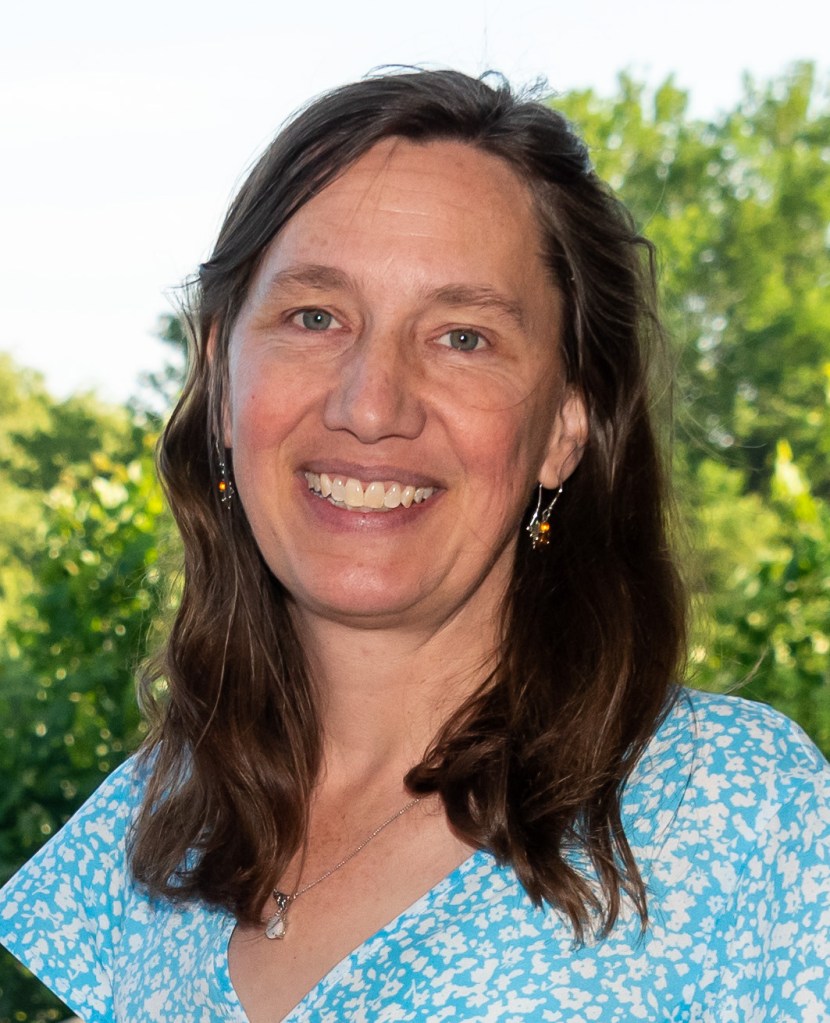
Dr. Nyree Zerega
Northwestern University
“Branching out: Cultivating connections and
fresh perspectives on plants”
Nyree Zerega is Professor of Instruction and Director of Plant Biology and Conservation at Northwestern University and the Chicago Botanic Garden. Her work is motivated by her fascination with the amazing diversity and utility of plants. Her work explores plant evolution, crop wild relatives, perennial crops, pollination biology, conservation, and she enjoys building collaborations across disciplines.
 Plant Sciences Graduate Student Council